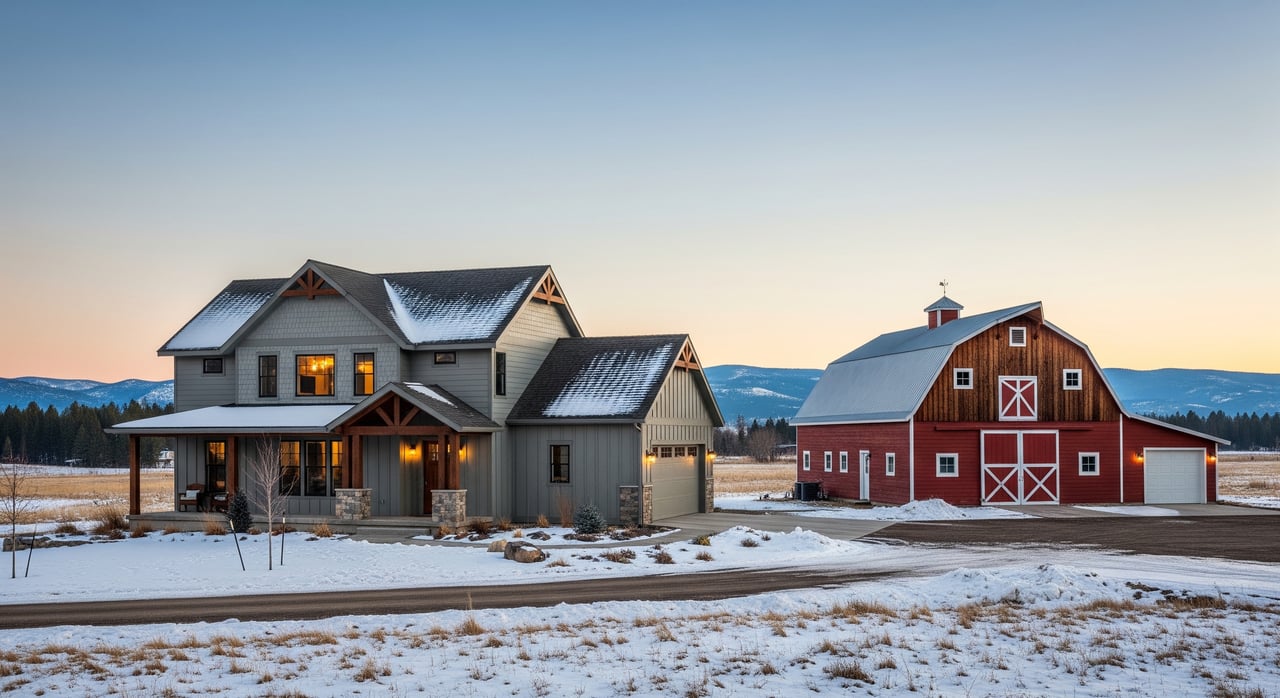
Thinking about selling your home or acreage in the Bitterroot Valley? You are not alone. Sellers here juggle unique questions about water rights, wells, septic, and the best way to price land with views. This guide gives you a clear, local roadmap so you can prepare with confidence, attract qualified buyers, and protect your bottom line. Let’s dive in.
Your Bitterroot seller roadmap
1) Price with local data
Pricing in Ravalli County is nuanced. County-level data shows typical home values between $500,000 and $600,000 as of late 2025, but specific list price should follow recent local MLS comparables that match your property type and location. In-town homes and rural acreage follow different pricing logic, so use like-for-like comps.
For acreage, focus on the features that move value: recorded water rights and irrigation delivery, usable acres, fencing and outbuildings, topography, and road access. If you have ditch or irrigation-district water, treat it as a separate value driver and document it clearly in your listing packet. For mixed residential and acreage offerings, consider a dual approach that explains how you priced the home and improvements and how you estimated the land and water component. That clarity reduces buyer confusion and appraisal surprises.
2) Gather land and title essentials
Water rights. Montana follows prior appropriation, which means “first in time, first in right.” Water rights are a separate property interest and may have been reserved or severed in past transfers. Confirm the right number, purpose, and priority date using the state’s resources, and collect any certificates or share records for your listing file. Learn the basics in the state’s overview on Montana water rights and FAQs. If you need to update ownership or request a change in point, place, or purpose of use, review the DNRC water-rights forms and guidance.
Irrigation districts and ditch companies. The Bitterroot Valley includes active irrigation systems, such as Daly Ditches, which has completed recent infrastructure improvements. If a ditch serves your parcel, gather membership or assessment history, turnout and headgate details, and operating rules so buyers understand how water is delivered. See recent local coverage of Daly Ditches infrastructure improvements.
Wells. Provide your well log, any pump test or yield information, and recent water-quality tests for nitrate and coliform. Montana procedures include common forms such as Form 602 for small groundwater developments and Form 603 for well logs that drillers file with the state. Review steps and forms on the DNRC water-rights forms and guidance page.
Septic. Ravalli County Environmental Health issues septic permits and oversees onsite wastewater rules. Collect your septic permit, design capacity (often linked to bedroom count), and any groundwater or nitrate testing used for non-degradation review. See county guidance on Ravalli County septic permits.
Subdivision and zoning. Considering a split before selling? Many divisions require a formal process with application, preliminary plat, and possible sanitation review. The process can take months, so start early. Review Ravalli County subdivisions and exemptions.
Disclosures. Montana licensees must disclose known adverse material facts and avoid fraudulent concealment. Many sellers choose to complete an Owner’s Property Disclosure Statement to reduce post-sale disputes. Read the licensee disclosure duties in Montana Code 37-51-313.
3) Inspect before you list
Pre-listing inspections let you solve issues on your schedule and reduce renegotiation risk. For rural properties, consider a general home inspection plus targeted checks: roof and HVAC, septic inspection and permit records, well yield and water-quality tests, and radon or other environmental tests as needed. Having clean reports and a quick repairs log boosts buyer confidence.
Also prepare for wildfire questions. Many Bitterroot parcels sit in or near wildland-urban interface areas. Note any mitigation work you have done, keep a 5 to 30 foot non-combustible zone around structures, and expand defensible space to 30 to 100 feet where terrain and vegetation call for it. Sharing a brief defensible-space summary can help out-of-area buyers feel reassured.
4) Stage and capture what buyers want
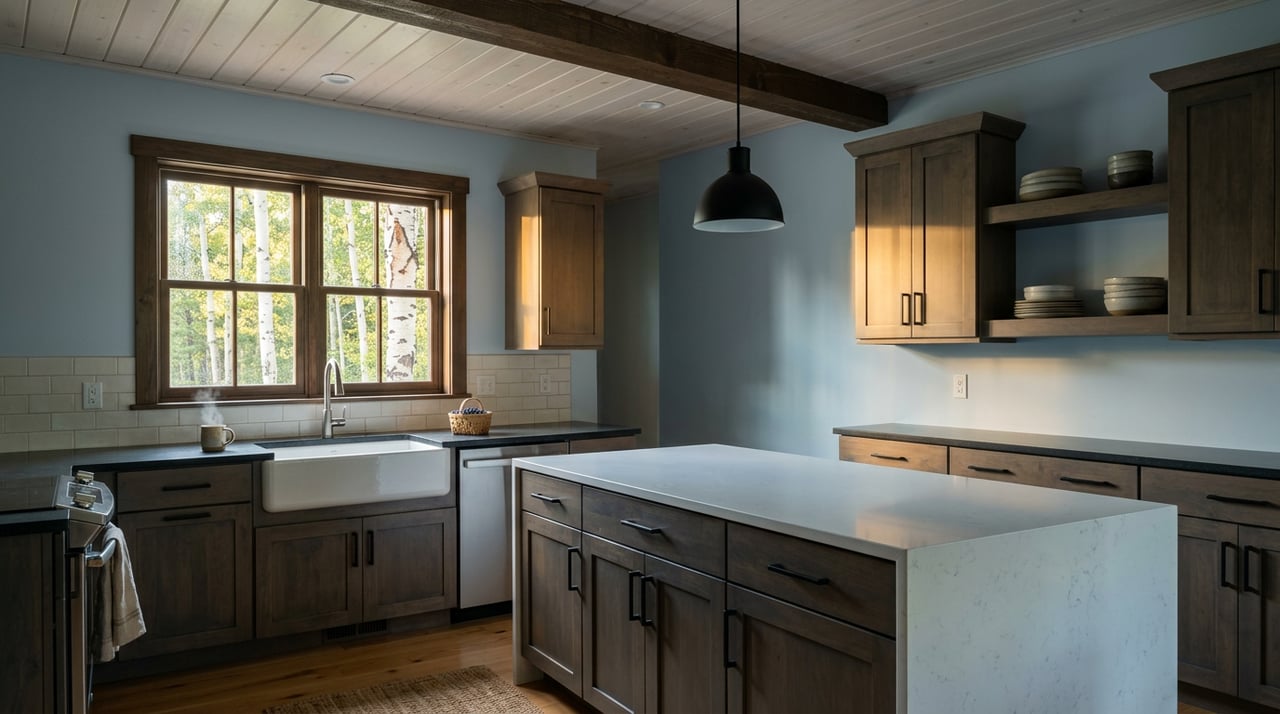
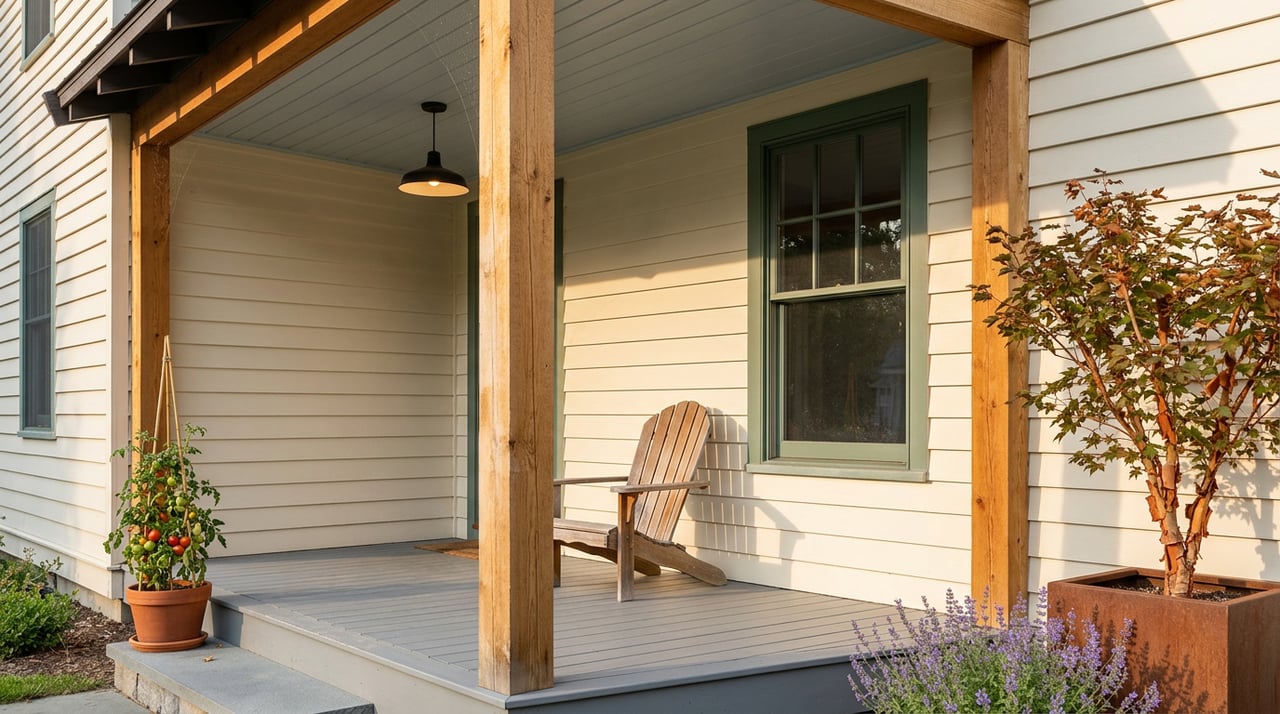
Mountain buyers shop for lifestyle and views. Declutter so the Bitterroot Range and valley vistas take center stage. Stage and photograph outdoor living spaces, and highlight practical features like mudrooms and gear storage. For acreage, invest in professional photography with drone flyovers to show boundaries, build sites, access roads, and water features. Sunrise or sunset images can make your listing stand out.
5) Market for in-town versus rural
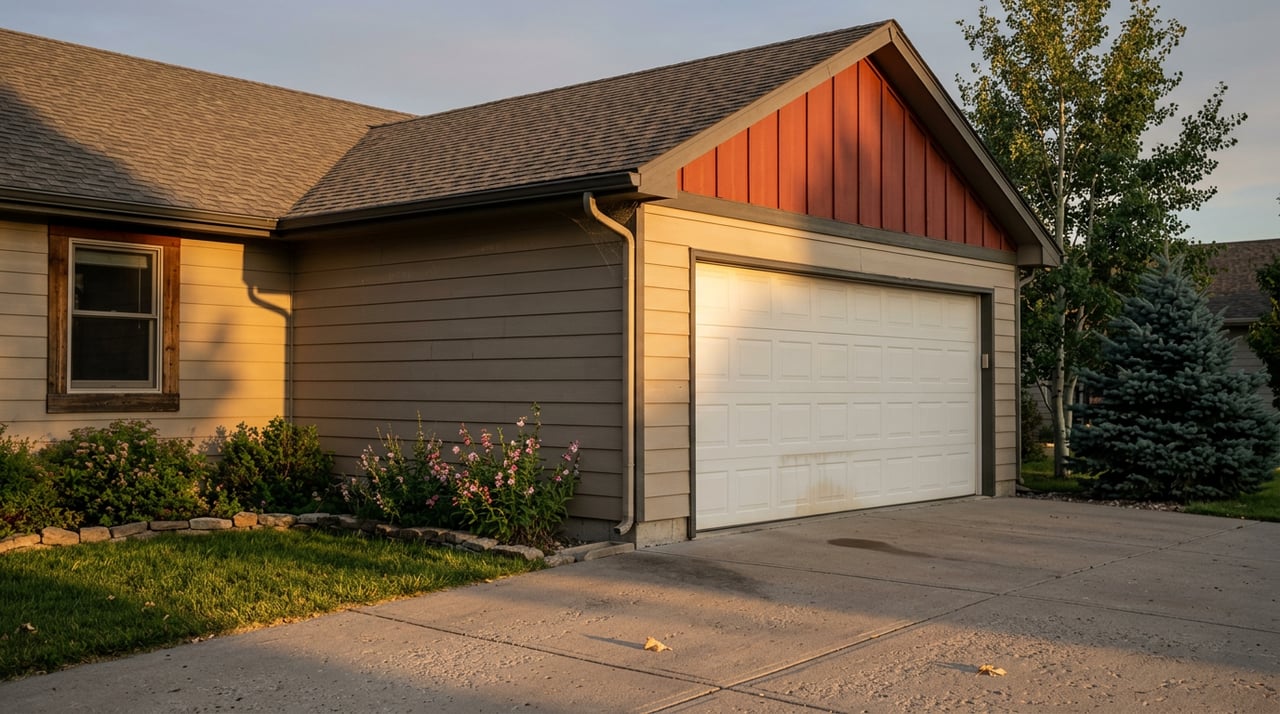
In-town homes. Emphasize convenient services, municipal utilities, and quick-scan features like garages, updated systems, and energy efficiency. Price with hyper-local MLS comps.
Rural and acreage. Offer a clear, downloadable packet with the legal description, recent survey or boundary map, septic permit and well log, water-right documents, irrigation-district details, easements and access agreements, and any RSID assessments. If farming or hay ground is present, include soils information to support per-acre claims. Use the NRCS Web Soil Survey to substantiate land-use and building suitability. Pair that packet with drone visuals, topo overlays, and targeted outreach to the right buyer groups, such as small ranch operators, recreation buyers, and conservation-focused buyers.
Financing and timeline tips in Ravalli County
- USDA Rural Development. Many rural homes are eligible, but it is property specific. Encourage interested buyers to confirm eligibility early using the USDA RD property tool and a local lender.
- FHA and VA on acreage. Appraisals often treat extra land with care. If the acreage is not typical for the area or can support a separate use, some of that land value may not count toward the appraised value for certain loan types. Set buyer expectations and direct them to lenders experienced with rural appraisals.
- Timeline. Expect a longer escrow for acreage because buyers verify wells, septic, water rights, irrigation delivery, surveys, and sometimes site engineering. Clear documentation and early inspections shorten this curve.
Your pre-listing packet checklist
Build a clean packet that makes buyers comfortable and helps you defend value. Start with these items:
- Deed and current title commitment or recent abstract.
- Property tax and mill levy records. Pull current details from the county’s property tax page.
- Recorded survey or boundary map. For larger tracts, consider commissioning a survey if you do not have one.
- Water documentation: water-right certificate numbers, DNRC filings, and any ditch or irrigation-district share or assessment history. Find ownership updates and forms on the DNRC water-rights forms page.
- Well documents: driller’s well log and your most recent water-quality tests for nitrate and coliform.
- Septic documents: county septic permit, design capacity, site evaluation, and any groundwater or non-degradation test results. See Ravalli County septic permits.
- Subdivision or plat history, zoning notes, and any DEQ sanitation correspondence for prior divisions. Review Ravalli County subdivisions and exemptions.
- Easements, road or maintenance agreements, RSID assessments, and access notes, including who plows private roads in winter.
- Outbuilding and utility list: barns, corrals, fencing, irrigated acres, solar or generator details, power provider, and internet options.
- Soils and land-use support if agricultural uses exist. Include an excerpt from the NRCS Web Soil Survey.
- Pre-listing inspection reports and an itemized repairs log.
Final pointers for a smooth sale
- Lead with water, septic, and access. These are the first three questions most rural buyers ask. Have your answers and documents ready.
- Present the property like a lifestyle. Views, outdoor living, and practical storage matter.
- Pre-qualify buyer financing early. The larger or more unusual the parcel, the more important it is to set lender expectations up front.
Ready to map your best listing strategy in Ravalli County? Reach out to Ashley Inglis for a personalized market consultation tailored to your home or acreage.
FAQs
How should I price acreage with irrigation in Ravalli County?
- Start with recent like-for-like sales that match water rights, irrigation delivery, usable acres, improvements, and access, then explain how you valued both the improvements and the land to reduce confusion.
What documents do I need to sell a rural property with a well and septic?
- Provide the well log, any pump or yield data, recent nitrate and coliform tests, the county septic permit and design capacity, plus water-right certificates and any ditch or irrigation-district records.
Do Montana water rights automatically transfer with the land?
- Often they transfer, but water rights are a separate property interest that may be reserved or severed; confirm details and review ownership updates and change procedures through the DNRC.
Can I split my acreage before listing in Ravalli County?
- Many splits require a formal subdivision process with timelines that can run months; review county subdivision and exemption rules early before you market a potential split.
Will buyers be able to use USDA, FHA, or VA loans on my acreage?
- Some rural homes may qualify for USDA, while FHA and VA can be stricter about excess land; advise buyers to consult lenders who handle rural appraisals and confirm eligibility up front.
How long does it take to sell a rural property in the Bitterroot?
- Acreage sales often take longer than in-town homes due to extra due diligence on wells, septic, water rights, surveys, and access; strong documentation and pre-listing inspections help speed things up.