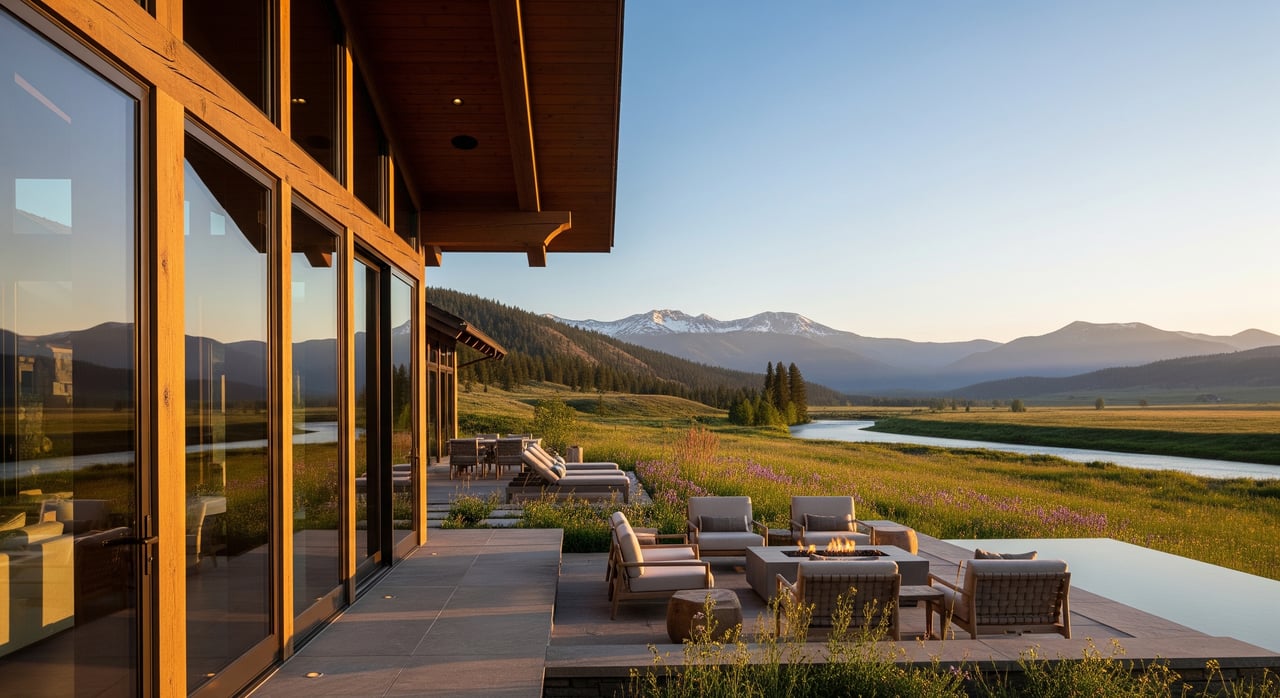
What draws so many people to the Bitterroot Valley? If you are curious about small-town living, mountain scenery, and real outdoor access, Ravalli County may be on your shortlist. You want the real story on weather, commute, housing, and daily essentials before you decide. This guide walks you through the towns, the seasons, the trade-offs, and the lifestyle so you can picture your day-to-day. Let’s dive in.
Where you live shapes daily life
The Bitterroot Valley is a string of communities along Highway 93 south of Missoula. You will hear people talk about Florence, Stevensville, Victor, Corvallis, Hamilton, Darby, Conner, and Sula. Each town has its own rhythm, with rural neighborhoods and ranchland in between. Your experience will feel different in Hamilton than it does in Darby or on acreage outside Victor.
Local life blends long-time ranching and agricultural families with year-round outdoor lovers and newcomers. You will find friendly businesses, community events, and plenty of volunteer energy. The economy leans on health care, education, retail and services, agriculture, small manufacturing, and outdoor tourism. Many residents also commute to Missoula for bigger employers and university jobs.
Climate and seasons
The Bitterroot sits in a mountain valley with warm, generally dry summers and cooler, snowy winters. Elevation and microclimates matter. The valley floor near the river is typically milder than the mountain slopes. In winter, cold air can settle in certain pockets and create temperature inversions.
Summer
Summer brings long, sunny days for hiking, fishing, and evenings outside. Humidity is low, which makes warm days feel pleasant. Late summer and early fall can bring a wildfire smoke season, which sometimes affects air quality and views. Locals keep an eye on air quality updates and plan outdoor time accordingly.
Autumn
Fall is crisp with colorful foliage and clear mountain views. It is a favorite season for trail time, yard projects, and moving. Hunting season is a major part of local culture, so you will see more trucks at trailheads and more blaze orange in the hills.
Winter
Snow and ice are common, and mountain roads can be snow-covered. Many residents keep winter tires, traction devices, and a simple emergency kit in the car. On steeper roads or at higher elevations, you may see chain requirements or temporary restrictions during storms.
Spring
Spring brings runoff and higher river levels. Yards and unpaved drives can get muddy, especially on rural acreage. If you love gardening, you will plan around a shorter growing season and the timing of the last frost.
Housing and neighborhoods
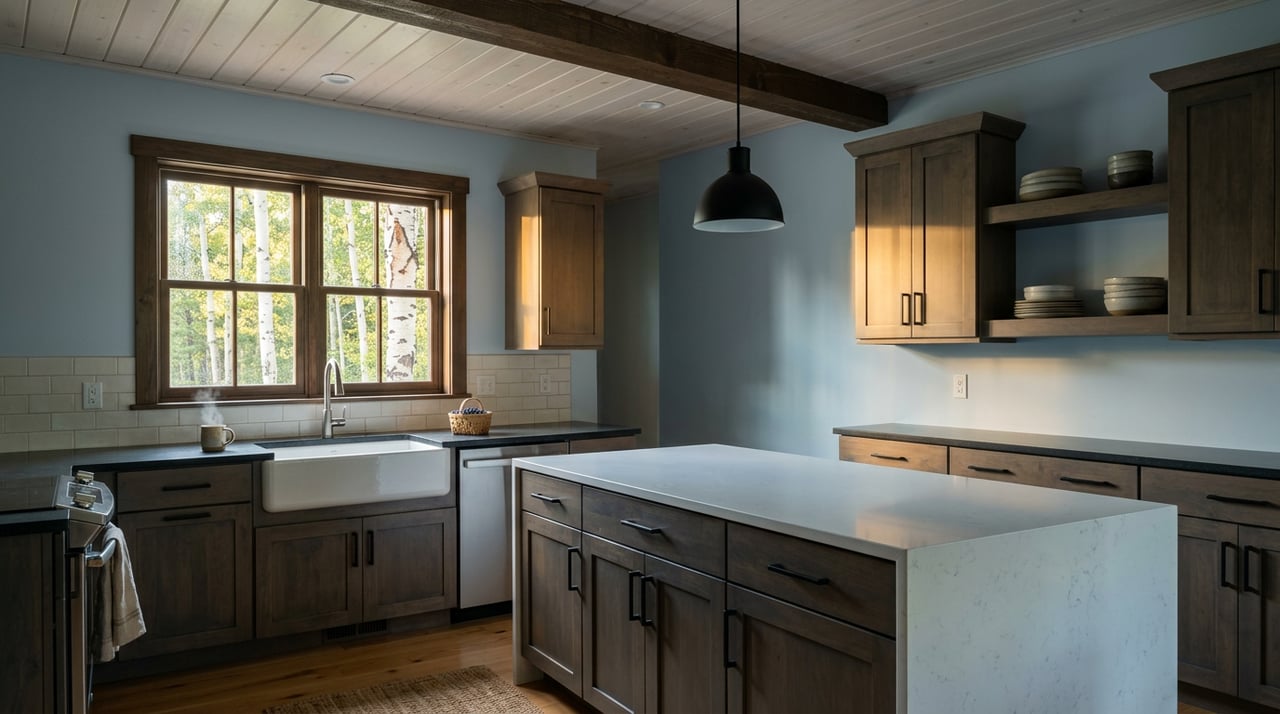
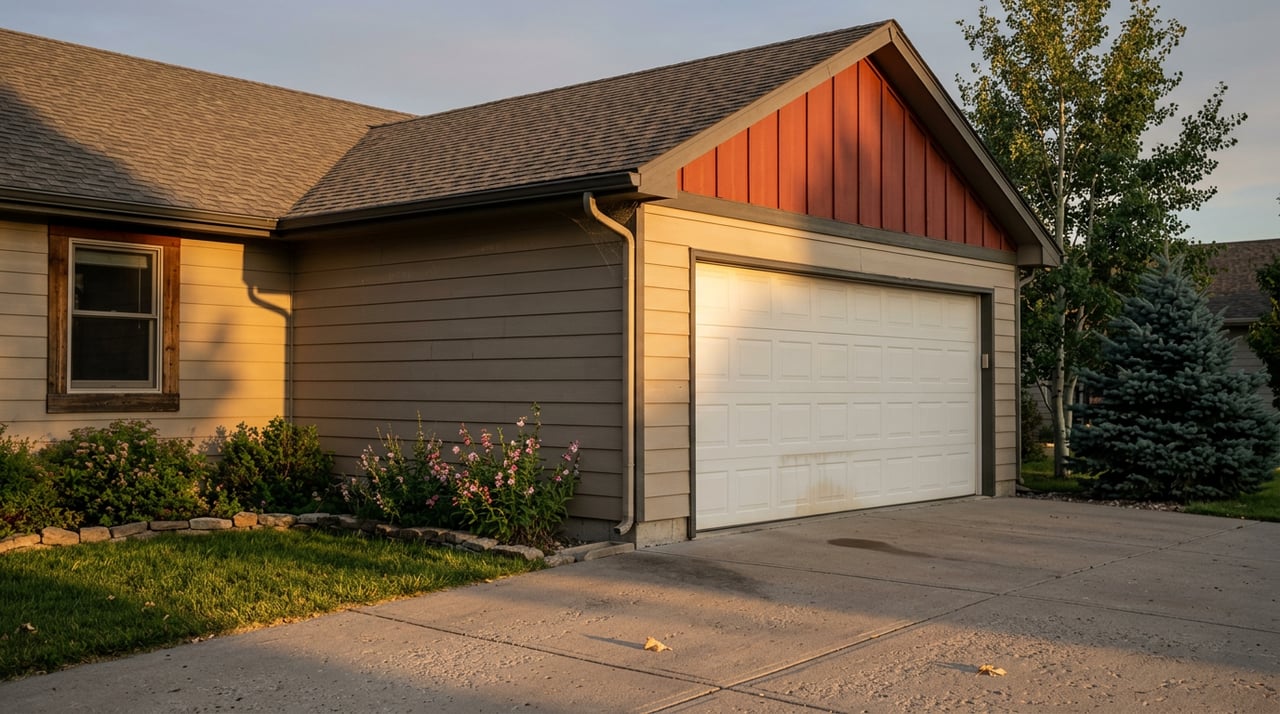
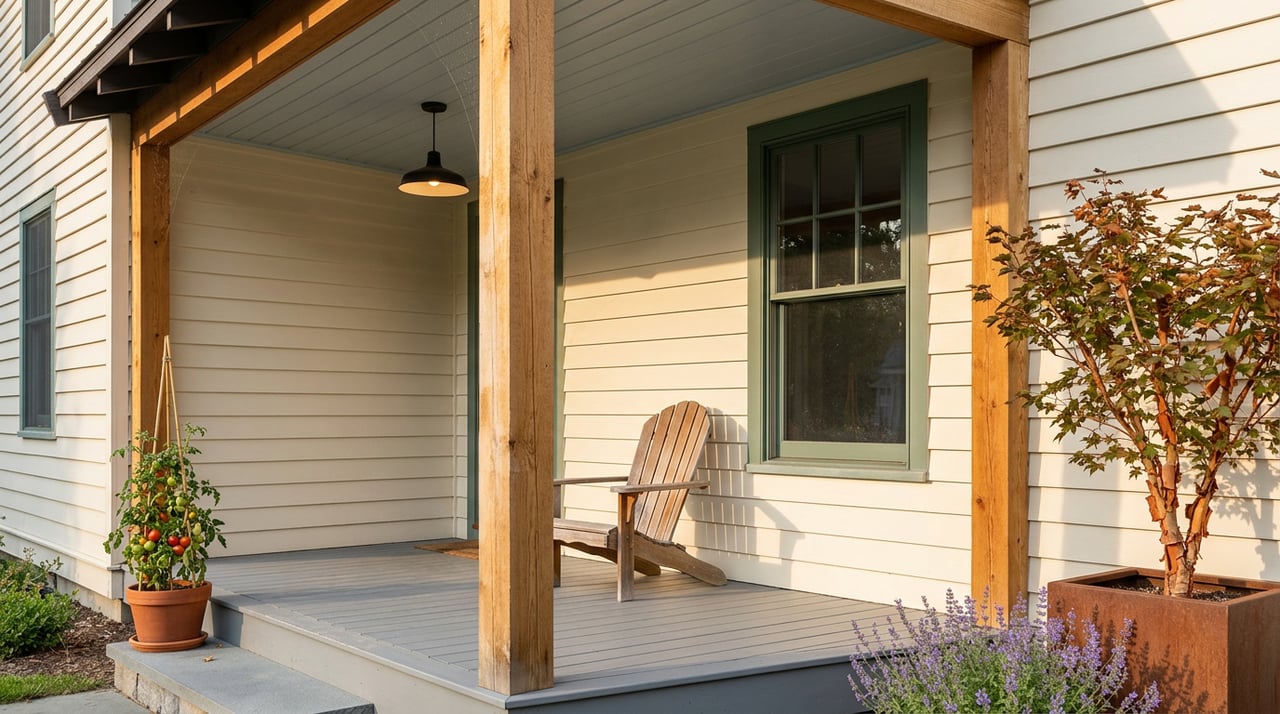
You will find a mix of in-town homes, small acreage, working farms and ranches, classic cabins, and custom builds with mountain or river views. The housing stock ranges from older, well-cared-for homes to newer construction. In recent years, demand rose across Montana, and Ravalli County drew interest from out-of-state buyers.
If you are shopping rural property, expect wells and septic systems rather than city services. Budget for water quality and yield testing, septic inspection and pump records, and a review of any building covenants or conservation easements. These details are normal here and help you understand maintenance and use limits. For riverfront or low-lying parcels, ask about floodplain status.
Cost of living and taxes
Montana has no statewide sales tax, which is a pleasant surprise if you are moving from elsewhere. Property taxes and utilities will shape your monthly costs. Your overall cost of living depends on your lifestyle, the size and type of property, and whether you commute to Missoula.
Utilities vary by location. In-town homes often connect to municipal water and sewer. Rural properties rely on private wells and septic, which come with periodic maintenance. Power costs, propane use, and winter heating needs are worth reviewing during your due diligence.
Commuting and transportation
Highway 93 is the valley’s main north-south route to Missoula. Your drive time depends on where you live. Many residents report a range of about 30 to 60+ minutes to Missoula, with longer travel during winter weather or peak traffic. Your exact time will vary by town and home location.
Public transit is limited, so you will likely rely on a personal vehicle. Plan for winter maintenance schedules, occasional congestion near schools or during tourist peaks, and limited alternative routes if the highway is closed. Reliable tires and winter driving comfort go a long way.
Schools and education
Ravalli County has multiple small public school districts. Hamilton Public Schools is one of the larger districts, and other towns operate their own local schools. Families often appreciate community-involved athletics, arts, and extracurriculars. For a neutral, data-driven view, review district websites and state education report cards for graduation rates, programs, and transportation options.
Private and alternative education options exist in and around the valley. Enrollment zones, bus routes, and extracurricular offerings vary by district. If schools matter to your move, include a school tour and a conversation with district staff in your planning.
Health care and emergency services
Hamilton is home to Marcus Daly Memorial Hospital, which provides local acute care and emergency services for much of the valley. For specialized and tertiary care, many residents travel to Missoula. Rural EMS and volunteer fire departments are common across the county. In remote areas, response times can be longer than in town, so it is smart to learn your local coverage.
If you plan to live outside of town, consider distance to the nearest station and hospital as part of your home search. Ask about fire district boundaries, the nearest hydrants or water sources, and any local wildfire preparedness programs.
Utilities, broadband, and cell coverage
In town centers, you will often have municipal water and sewer. Outside town, expect private wells and septic. If you work from home, confirm broadband options early. Coverage is generally better in towns and along major corridors. Some rural areas rely on fixed wireless or satellite. State and federal programs are expanding access, but service can still be spotty in certain pockets.
Mobile coverage varies. Steep canyons and remote valleys may see limited signal. If connectivity matters, test service at the property and check options for boosters or alternative providers.
Everyday amenities and culture
You can handle daily needs close to home. Towns like Hamilton and Stevensville offer groceries, hardware, pharmacies, restaurants, and local shops. For big-box retail or specialty items, most people drive to Missoula.
The community calendar runs deep for a rural region. You will find farmers’ markets, county fairs, art shows, and local theater. Volunteer groups, historical societies, and outdoor clubs add to the social fabric. It is easy to get involved and to know your neighbors.
Outdoor recreation
If you love the outdoors, the Bitterroot is a standout. The Bitterroot River is well known for trout fishing, and the tributaries offer classic freestone streams. Bitterroot National Forest trails provide hiking, biking, horseback riding, and access to high ridgelines. Popular destinations include St. Mary Peak and Blodgett Canyon.
Winter brings cross-country skiing, snowshoeing, and backcountry access, with Lost Trail Powder Mountain within driving distance for downhill days. Hunting, OHV trails, and dispersed camping are common across public lands. Rules and seasonal closures vary, so check current regulations before you head out. Wildlife is part of daily life here, including elk, deer, black bears, and mountain lions, so secure your trash and follow local guidance.
Buyer checklist for Ravalli County
Use this shortlist to stay on track as you evaluate homes:
- Water and septic: Test well water quality and flow, and inspect septic systems with pump and maintenance records.
- Floodplain review: Ask about river proximity, flood maps, and any elevation certificates for low-lying parcels.
- Wildfire readiness: Evaluate vegetation, defensible space, and distance to firefighting resources. Factor this into insurance conversations.
- Road maintenance: Confirm who maintains your road, winter plowing plans, and any private road agreements or shared costs.
- Zoning and permits: Check Ravalli County planning, building permits, and any subdivision covenants that affect additions or outbuildings.
- Conservation easements: Review deed restrictions for development limits or land-use requirements.
- Insurance: Discuss wildfire and flood risk with a local insurance broker, especially if the home is remote or near the river.
- Connectivity: Verify broadband speeds, provider options, and cell coverage at the property if you rely on remote work.
- Commute reality: Drive your route to Missoula at your normal commute time and test it during winter conditions when possible.
Is the Bitterroot a fit?
The Bitterroot Valley offers a relaxed, small-town lifestyle with real access to trails, rivers, and open space. You trade quick urban conveniences for room to breathe and a tight-knit community. Many people choose the valley for its scenery, outdoor culture, and proximity to Missoula’s broader services and jobs.
If you want local guidance on neighborhoods, rural property details, and how to match your lifestyle with the right home, reach out to Ashley Inglis for a personalized consultation.
FAQs
What towns make up the Bitterroot Valley?
- The valley includes communities along Highway 93 south of Missoula, commonly Florence, Stevensville, Victor, Corvallis, Hamilton, Darby, Conner, and Sula, plus rural neighborhoods in between.
How long is the commute to Missoula from Ravalli County?
- Many residents report about 30 to 60+ minutes depending on the town, traffic, and winter weather. Your exact time varies by where you live and road conditions.
What is winter like in the Bitterroot Valley?
- Expect snow and ice, with colder pockets in some areas. Winter tires and basic emergency gear are common, and some mountain roads may require chains during storms.
Are there public transit options in Ravalli County?
- Public transit is limited. Most residents rely on personal vehicles, especially for commuting to Missoula and for winter reliability.
What should I know about wells and septic on rural properties?
- Many rural homes use private wells and septic systems. Budget for water testing, septic inspection and pump records, and review any covenants or easements.
How is internet and cell coverage in rural parts of the valley?
- Broadband is generally better in town and near major roads. Some rural homes use fixed wireless or satellite. Mobile service can be spotty in canyons and remote pockets.