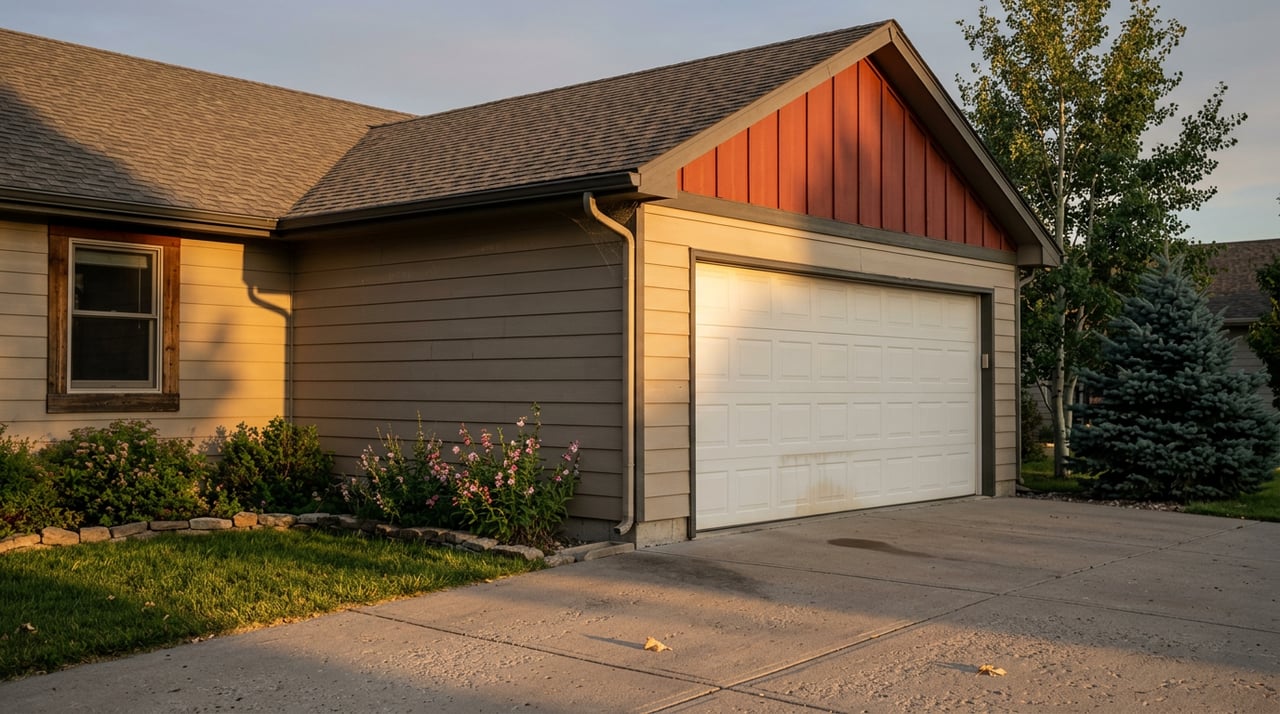
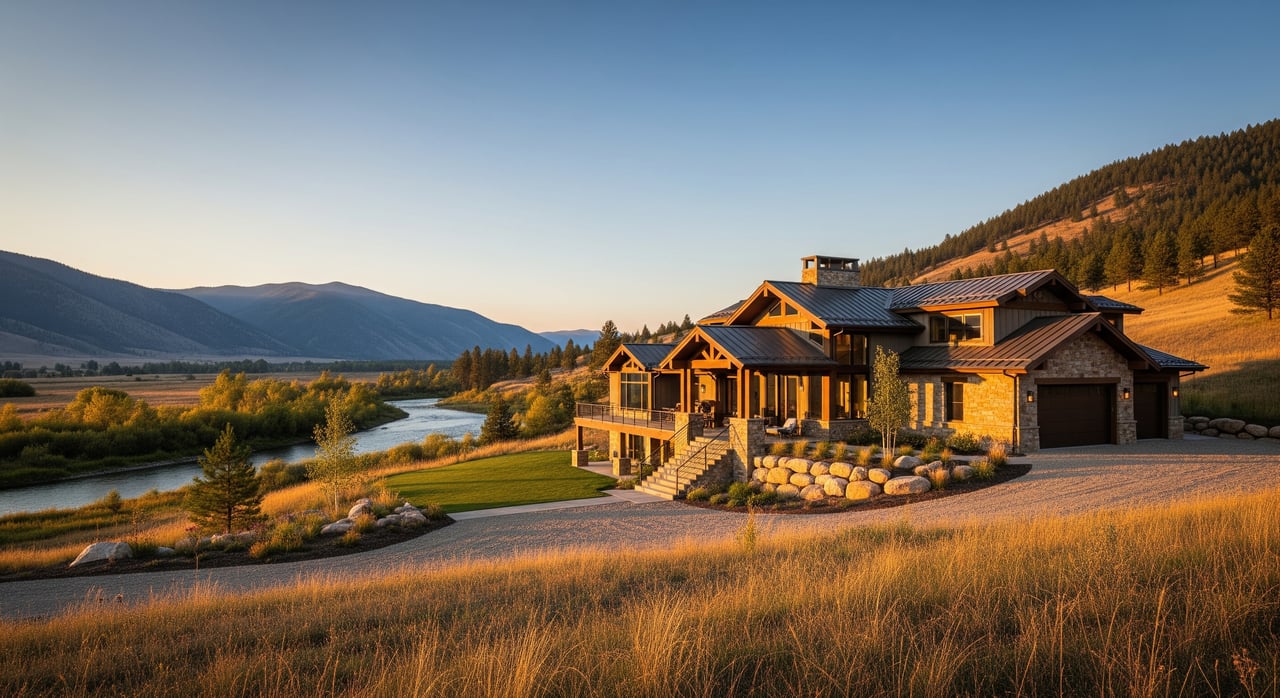
Thinking about buying a home in Ravalli County but not sure where to start? Rural properties in the Bitterroot Valley can feel different from what you might see in a big city, especially when wells, septic systems, acreage, and outbuildings come into play. You want a clear path, realistic timelines, and local context so you can move with confidence. This guide walks you through the process from first look to keys in hand, with practical steps tailored to Ravalli County. Let’s dive in.
Local factors to know first
Ravalli County sits in the Bitterroot Valley and includes towns like Hamilton, Stevensville, Victor, and Darby. Many homes use private wells and septic systems, and acreage is common. These features affect inspections, lender requirements, and the timeline.
Inventory in many Western Montana markets has been tight relative to demand. Desirable properties can see quick offer windows and competitive terms. Some buyers shorten or waive contingencies to win, which increases risk. Appraisals can also be challenging on unique rural homes due to limited comparable sales, which can affect loan approval and timing.
You will likely interact with several local offices and records during due diligence. The Ravalli County Clerk and Recorder handles recording of deeds and documents. Ravalli County Environmental Health manages septic permits and records and is involved when repairs require permits. The Ravalli County Treasurer or Assessor is your source for tax records and proration questions. For wells and water rights, the Montana Department of Natural Resources and Conservation (DNRC) holds well logs and water rights records. Financing programs for first-time or rural buyers may involve the Montana Board of Housing, USDA, VA, or FHA. Your lender and title company will guide which documents they need from these sources.
Step-by-step buying process
Prepare before shopping
Start with a mortgage pre-approval if you are financing. A strong pre-approval can shorten your closing timeline and strengthen your offer. Research utilities, well and septic prevalence, internet options, and community services for the towns you prefer. Engage a local real estate advisor experienced with rural properties and Ravalli County permits, wells, septic systems, and easements.
Make a strong offer
Your offer covers price, earnest money, contingencies, closing date, and items included in the sale. In many markets, earnest money is commonly 1 to 3 percent of the purchase price. The exact amount is negotiable and depends on the property and market conditions. On competitive listings, buyers may increase earnest money, shorten inspection periods, or use escalation clauses. These strategies carry more risk, so be clear on your comfort level before you proceed.
Inspection and contingencies
Inspection windows are usually negotiated, often 7 to 14 days. Schedule inspections right away so you have time to review results and respond. In Ravalli County, consider these inspections in addition to the standard home inspection:
- Septic system inspection and tank pump-out with a records review
- Well inspection with flow and water quality testing for bacteria and nitrates, plus well log review if available
- Chimney inspection where applicable
- Radon testing if desired
- Pest or wood-destroying organism inspection if requested
- For acreage: outbuildings, fences, irrigation, and any systems that require power or water
If septic or well issues surface, be prepared for repair permits and coordination with Ravalli County Environmental Health. Permits and contractor schedules can affect your timeline.
Loan, appraisal, and title work
Loan processing and appraisal commonly take 21 to 45 days, depending on loan type and property complexity. Rural properties often require more documentation. If the appraisal comes in below the contract price and you have an appraisal contingency, you can negotiate, bring cash to cover the gap, or cancel within contingency terms.
Title work begins early. The title search will surface liens, easements, legal access, mineral reservations, and other recorded items. Your title officer and agent will review exceptions and recommend any curative steps.
Negotiate repairs and finalize terms
After inspections, you can request repairs, credits, or price adjustments. Sellers may agree, offer a credit, or decline. If significant septic or well repairs are needed, factor in permitting time with Environmental Health and contractor availability.
Closing prep, walk-through, and recording
A few days before closing, your lender issues a closing disclosure for your review. Verify wire instructions with the title or escrow company by phone to avoid fraud. Do a final walk-through to confirm agreed repairs and condition.
On closing day you sign the deed and loan documents if applicable. The title or escrow company coordinates recording with the Ravalli County Clerk and Recorder. Recording often happens the same day or within a few business days, depending on county processing times.
Earnest money and closing costs
Earnest money is a good faith deposit, commonly 1 to 3 percent of the purchase price. It is usually held in escrow by a brokerage or title company and is credited to you at closing unless you default under the contract.
Buyer closing costs often range from 2 to 5 percent of the purchase price. These can include loan origination fees, appraisal, credit report, lender title insurance, escrow or title fees, and recording fees. Montana does not have a state real estate transfer tax. Confirm current fee schedules and who pays which items with your lender and title company.
Sellers typically pay real estate broker commissions, plus any seller-agreed closing costs, payoff of any liens, and prorated property taxes. Property taxes are prorated at closing based on county records and due dates. Who pays for an owner’s title insurance policy can vary by transaction. Your contract will specify the allocation of these costs.
Wells, septic, access, and title essentials
Well and water testing
Private wells are common. Plan for flow testing and water quality testing for coliform bacteria and nitrates. Review available well logs and ask about pump age and maintenance. Where properties use surface water or irrigation, confirm water rights and any ditch assessments through the appropriate records.
Septic systems and permits
Order a septic inspection and, if appropriate, a pump-out. Review Ravalli County Environmental Health records for permits, design, and any prior repairs. If a system is failed or marginal, repair permits, contractor scheduling, and county inspections can add weeks to your timeline and may affect loan approval.
Access, easements, and boundaries
Verify legal access early. Acreage parcels may rely on recorded easements or private roads. Confirm any road maintenance agreements and understand responsibilities. Consider a boundary survey for rural properties, especially where fences, driveways, or outbuildings sit near lot lines.
Wildfire risk and defensible space
Forested and rural areas can carry wildfire risk. Ask about defensible space, roof and vent conditions, and any local fire district guidance. Your inspector can note vegetation and clearance concerns, and you can consult with local fire resources as needed.
HOAs and covenants
Some Ravalli County subdivisions have covenants and homeowner associations. Read the CC&Rs and confirm fees, rules, and any architectural or land use restrictions that may affect your plans.
Typical timelines
Here is what a realistic schedule can look like. Your contract sets the exact dates.
- Typical financed home: inspection period 7 to 14 days; loan underwriting and appraisal 21 to 45 days; title cure and scheduling 3 to 14 days after approval. Total timeline is often 30 to 60 days from acceptance to closing.
- Cash or highly streamlined deal: if title is clear and contingencies are waived, closings can happen in 7 to 14 days.
- Rural or complex property: septic or well repairs, surveys, or easement and title cures can add several weeks.
- Appraisal issues: allow extra time for re-inspections or a second appraisal if the first report is short on comparable sales.
- Permit timing: septic or well repair permits depend on county volume and contractor availability.
Buyer checklist
Use this quick list to stay organized from offer to keys.
Before you write an offer
- Get a strong mortgage pre-approval.
- Confirm commute, school district, utilities, and internet or cell coverage for the address.
- Ask the seller for septic permit history and any well logs or water testing records.
When you are under contract
- Schedule a comprehensive home inspection immediately.
- Order septic inspection and pump-out as advised by your inspector.
- Arrange well flow and water quality testing for coliform bacteria and nitrates.
- Ask your title company for the title commitment early and review exceptions.
- Confirm who pays for owner’s title insurance and escrow fees in your contract.
- Verify property tax status and any assessments with the county Treasurer or Assessor.
- For acreage, consider a boundary survey and confirm legal access and easements.
Before closing day
- Obtain final loan approval and review the closing disclosure.
- Verify wire instructions by phone with the title or escrow company.
- Complete a final walk-through to confirm repairs and agreed items.
Working with a local advisor
Buying a rural or small-town home in Ravalli County involves more moving parts than a typical city lot. The right advisor helps you structure a strong offer, choose smart contingencies, and navigate wells, septic systems, access, and title details without stress. If you want a boutique, high-touch experience backed by a respected Western Montana network, connect with Ashley Inglis for a personalized plan.
FAQs
What is typical earnest money in Ravalli County?
- Many buyers offer about 1 to 3 percent of the purchase price, adjusted for property and market competitiveness.
How long does a financed closing take in Ravalli County?
- Most financed purchases close in about 30 to 60 days, depending on inspections, appraisal, loan type, and title timelines.
Which inspections are essential for rural Ravalli County homes?
- A standard home inspection plus septic inspection and pump-out, well flow and water quality testing, and a records review for septic and well systems.
How are appraisals handled on unique rural properties?
- Appraisals can take longer due to limited comparable sales; if value comes in low, you can renegotiate, cover a gap, or cancel if protected by your contingency.
Are there programs for first-time or rural buyers?
- Options can include Montana Board of Housing, USDA, FHA, or VA loans; check eligibility early with your lender for the property and your finances.
Who records the deed and when is it official?
- The title or escrow company coordinates recording with the Ravalli County Clerk and Recorder; many deeds record the same day or within a few business days.