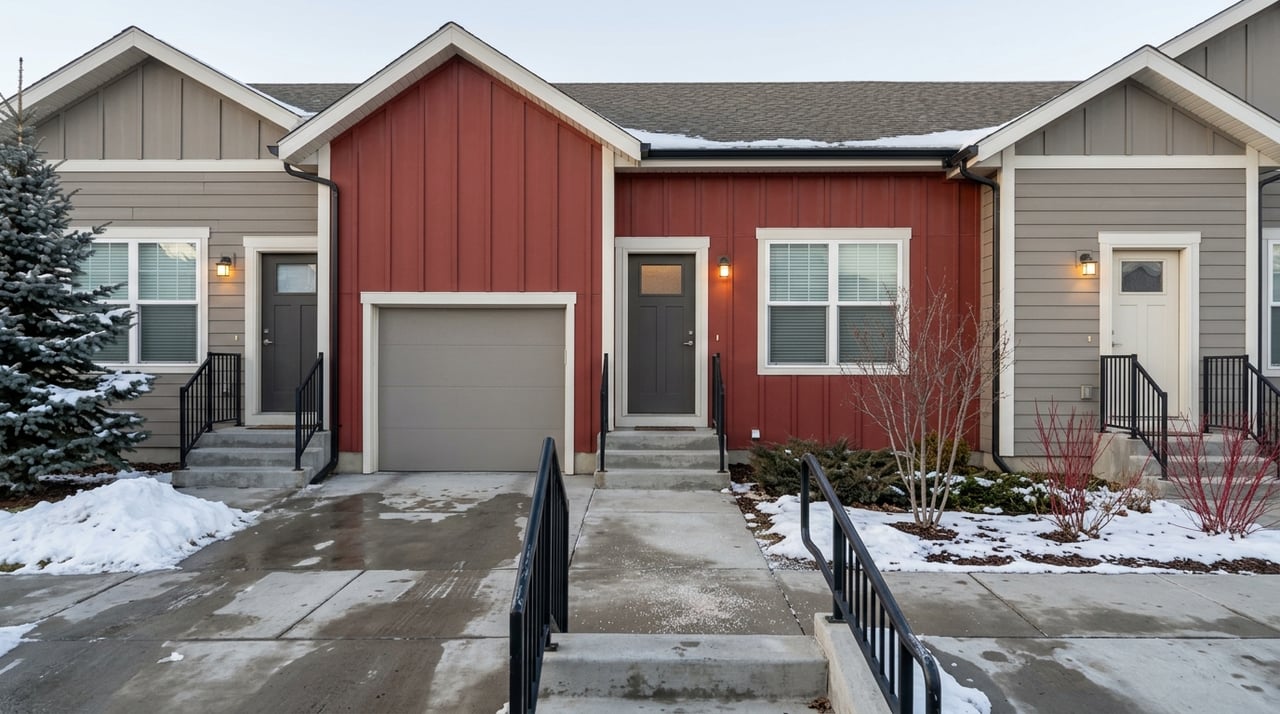
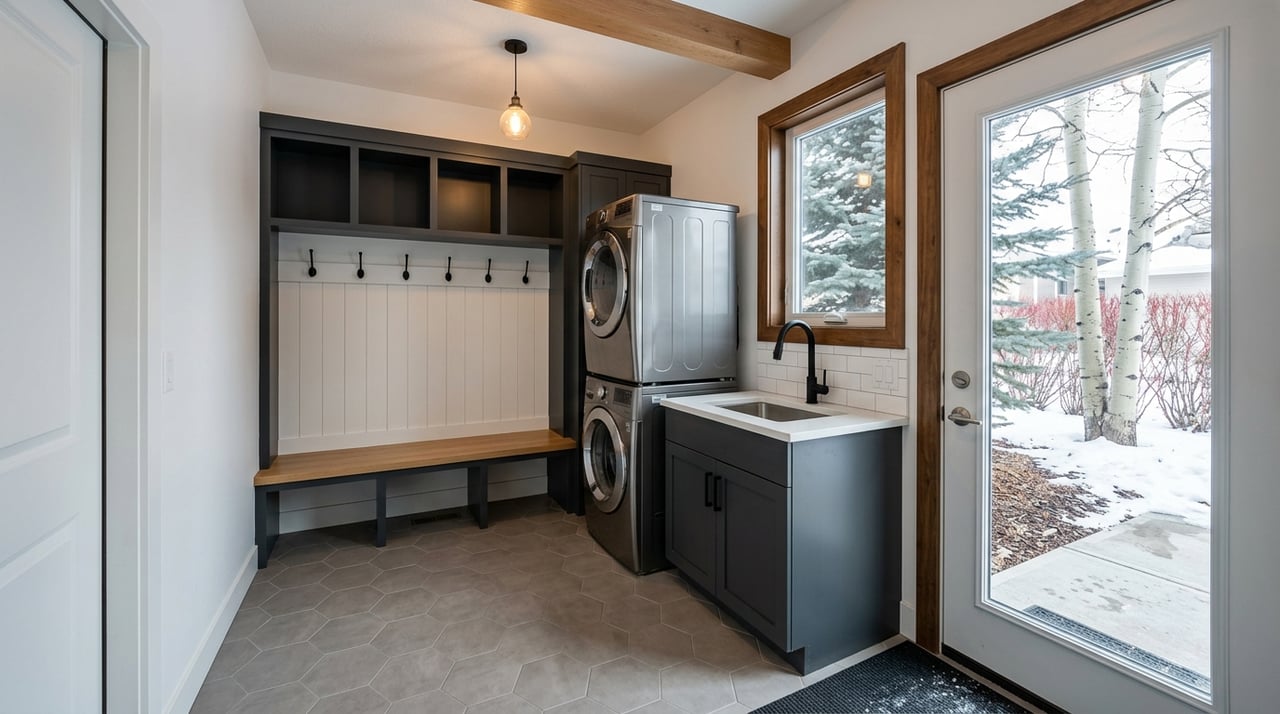
Thinking about selling a rental or investment property in Missoula? It can feel more complicated than selling a home you live in, especially if tenants, leases, deposits, and closing credits are all part of the picture. The good news is that with the right plan, you can protect your timeline, present the property well, and avoid common mistakes before closing. Let’s dive in.
Why rental sales need a different plan
Selling an investment property in Missoula County is not just about price and photos. You also need to account for lease terms, tenant communication, property access, and how financial records will be handled at closing.
In Montana, selling an occupied rental does not automatically cancel the lease or erase landlord obligations. After a good-faith sale to a bona fide purchaser and written notice to the tenant of the conveyance, the seller is generally relieved of future liability under the rental agreement, but the seller remains liable for security amounts recoverable by the tenant and for prepaid rent. That is why the details matter early.
Review the lease first
Before you list the property, start with the lease. The type of tenancy can affect whether you can sell with tenants in place, offer vacant possession, or adjust your timeline.
Month-to-month tenancies
For a month-to-month tenancy in Montana, at least 30 days’ written notice is required to terminate. If your goal is to sell the property vacant, this timeline should be part of your listing strategy from the start.
Fixed-term leases
If the tenant has a fixed-term lease, early termination without cause can create risk. Montana law says that ending a fixed-term agreement early without cause can expose the aggrieved party to damages up to one month’s rent unless the lease says otherwise.
This is one reason many sellers review lease language before they go live on the market. If your ideal outcome depends on vacancy before closing, that goal should be evaluated carefully and early.
Plan tenant communication carefully
A smooth sale often depends on how well the showing process is managed. Clear communication can reduce stress for both you and your tenant while keeping the transaction moving.
Montana law allows a landlord to show a dwelling unit to prospective purchasers, and a tenant may not unreasonably withhold consent. Except in an emergency or when notice is impracticable, the landlord must give at least 24 hours’ notice and may enter only at reasonable times.
Notice and access rules
Montana also allows notice to enter to be posted conspicuously on the main entry door. Written notice can also be delivered by email if the rental agreement allows electronic notices and the required receipt conditions are met.
That means your showing plan should not be casual. It should be consistent, documented, and respectful of the tenant’s legal right to proper notice.
Keep showings organized
Occupied rentals often show best when expectations are simple and predictable. A set showing window, clear reminders, and coordinated access can help reduce friction.
If a third party is managing the property, it is worth confirming their role and authority. In Montana, property managers are licensed by the state, so sellers should understand who is handling scheduling, communication, and access.
Keep marketing and showings fair
Fair housing rules still apply when you sell a tenant-occupied property. Marketing, showing practices, and communication should stay neutral and consistent.
Montana housing law prohibits discriminatory advertising, unequal terms, and other different treatment based on protected characteristics. Montana’s protected classes in housing include race, color, national origin, religion or creed, age, sex, marital status, familial status, and disability.
For sellers, the practical takeaway is simple. Keep remarks factual, treat prospects consistently, and avoid language that suggests preference for any type of buyer or household.
Gather records before listing
One of the smartest things you can do before putting a rental on the market is organize the file. Buyers, title professionals, and closing parties may all need a clear picture of the tenancy and the money tied to it.
Start by pulling together:
- The current lease and any renewals
- Tenant notices and communication records
- Rent payment history
- Security deposit records
- Prepaid rent details, if any
- Move-in condition statements, checklists, and photos
- Maintenance records and repair history
A clean file builds confidence. It also helps you answer buyer questions faster and avoid confusion when the transaction gets busy.
Understand security deposit issues
Security deposits are not something to leave vague in a Montana rental sale. State law has specific rules that can affect what a seller can withhold and what must be accounted for.
At move-in, if a landlord requires a security deposit, the landlord must provide the tenant a written statement describing the condition of the premises. If that statement was not provided, recovering damage or cleaning charges later becomes much harder.
Why documentation matters
Old move-in records can matter more than sellers expect. A checklist, inspection notes, and dated photos may be the difference between a supported claim and a charge that cannot be enforced.
At move-out, the landlord generally must provide a written list of damages and any refund within 30 days after termination or surrender and acceptance. If the tenant proves there were no damages, no cleaning, and no unpaid rent or utilities, the refund is due within 10 days.
If the required list is not provided, the landlord can forfeit the right to withhold the deposit for those damages or cleaning charges. Wrongful withholding can also lead to a civil damages claim.
Reconcile money before closing
In a rental property sale, closing is not just about transfer of title. It is also about making sure rent, deposits, and responsibilities are clearly documented.
Because Montana law keeps the seller liable for security amounts recoverable by the tenant and for prepaid rent after notice of conveyance, those figures should be reconciled before closing. This is not a detail to handle informally with a handshake.
Closing items to confirm
Before closing, make sure your file clearly shows:
- Notice to the tenant of the sale or conveyance
- The amount of any prepaid rent
- The current security deposit balance
- Who will handle post-closing accounting
- How prorations or credits will be reflected in the settlement process
This kind of clarity protects everyone involved. It also helps prevent disputes after the sale is complete.
Know what Missoula buyers may look for
Not every buyer sees a rental property the same way. In Missoula County, your presentation strategy may need to speak to both investors and owner-occupant buyers, depending on the property and the lease situation.
Investor buyers often focus on income and risk variables such as current rent, vacancy exposure, maintenance, insurance, and appreciation potential. Owner-occupant buyers often care more about move-in condition, layout, and overall livability.
Present the property for your likely buyer
If your most likely buyer is an investor, clean financial records and organized lease documents can strengthen the listing. If an owner-occupant buyer may be part of the audience, the property should still feel bright, tidy, and easy to access within the limits of the tenancy.
A thoughtful strategy can help you avoid turning off one buyer pool while trying to attract another. That is especially important when the property is occupied and flexibility is limited.
Use Missoula County tools early
Before listing, it helps to verify the property information you plan to share. Missoula County’s Property Information System includes current and historical land-record data and can be searched by tax ID, address, legal description, name, documents, and other criteria.
The county also notes that mapping data is for reference and not the legal record. For that reason, title and boundary questions should still be verified through the proper record sources when needed.
Check short-term rental status if relevant
Some investment properties in Missoula have been used as short-term rentals rather than long-term rentals. If that applies to your property and it is inside the City of Missoula, separate local rules may matter.
The City of Missoula says short-term rental hosts must comply with local registration requirements and safety self-inspection steps. If your property has operated this way, it is wise to sort out that status before marketing the property to buyers.
Build your sale timeline around reality
A rental property sale usually goes more smoothly when the timeline matches the lease, the tenant’s occupancy, and the buyer pool. Rushing into the market without a document review can create avoidable problems.
A practical pre-listing plan often includes:
- Review the lease terms and occupancy status
- Confirm notice requirements for showings and any possible termination
- Organize rent, deposit, and maintenance records
- Decide whether the likely buyer is an investor, owner-occupant, or both
- Prepare for closing reconciliations well before you accept an offer
When those steps are handled upfront, your listing is easier to explain, easier to show, and easier to close.
If you are selling a rental or investment property in Missoula County, a tailored strategy can make a big difference in both your timeline and your bottom line. For hands-on guidance, local market insight, and a clear plan from pricing through closing, connect with Ashley Inglis.
FAQs
Can you sell a rental property in Missoula County with tenants still living there?
- Yes. In Montana, selling an occupied rental does not automatically end the lease, so many rental properties are sold with tenants in place.
How much notice do tenants need before showings in Montana?
- Montana law generally requires at least 24 hours’ notice before entry for showings, except in an emergency or when notice is impracticable, and entry must happen at reasonable times.
Does selling a rental property in Montana cancel a fixed-term lease?
- No. A sale does not automatically erase the lease, and ending a fixed-term tenancy early without cause can create legal and financial risk unless the lease allows it.
What should sellers reconcile at closing for a Missoula rental property?
- Sellers should clearly account for tenant notice of sale, prepaid rent, the security deposit balance, and who will handle any post-closing accounting.
What records help most when selling an investment property in Missoula?
- The most useful records usually include the lease, rent history, security deposit records, move-in condition documents, maintenance records, and any tenant notices.
Do Missoula short-term rental properties have extra rules when sold?
- If the property is inside the City of Missoula and has operated as a short-term rental, local registration requirements and safety self-inspection rules may be relevant to the sale.