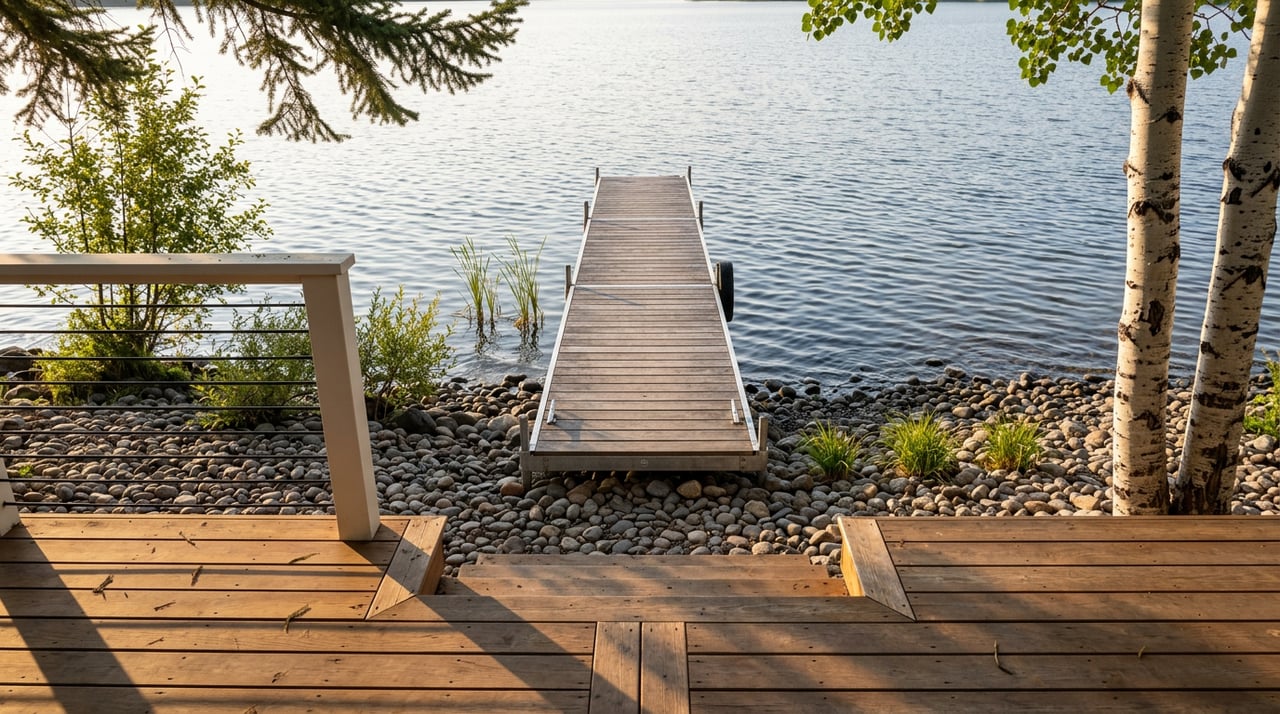
Dreaming of mornings on still water, mountains glowing pink, and afternoons spent cruising to a quiet cove? If Lakefront living in Lake County is on your mind, you’re not alone. Buying on Flathead Lake’s south shore is a lifestyle move, but it also comes with unique rules, maintenance needs, and seasonal rhythms. In this guide, you’ll learn how the lake actually works, what to expect from marinas and fishing, which permits matter, and how to set yourself up for a smooth purchase. Let’s dive in.
Why Lake County lakefront
Flathead Lake shapes daily life here. Polson is the largest town on the southern shore and the county seat, so many year-round conveniences sit close to the water. The south half of the lake lies within the Flathead Indian Reservation, which adds tribal regulations in some situations. That mix of lakeside recreation and small-town access is a big part of the appeal.
You’ll find a range of lake communities, quiet in the shoulder seasons and lively in summer. Peak months bring boat traffic, festivals, and long evenings on the dock. Spring and fall are calmer, with glassy mornings, cooler water, and fewer crowds.
Home types and zoning basics
Lake County’s shoreline includes rustic cabins, remodeled legacy homes, modern waterfront residences, and seasonal retreats. There isn’t a single “typical” lake house. Instead, each cove and point offers a different feel, from tucked-away cabins to high-end residences.
Zoning and lakeshore-protection overlays shape what you can build or expand. County rules commonly define a narrow lakeshore protection zone within about 20 feet of the high-water mark and a wider vegetative buffer, often around 50 feet. Only certain lake-related structures are allowed close to the water, and vegetation removal, impervious surfaces, and stormwater controls are regulated to protect water quality. Before planning any project, review county lakeshore and zoning guidance in the Finley Point materials and related districts from Lake County Planning and Environmental Health. You can see how these standards work in the county’s overlay example for Finley Point at the Lake County site: lakeshore protection and zoning summary.
Boating, access and marinas
Public access is strong, with Flathead Lake State Park units like Finley Point, Big Arm, Yellow Bay, Wayfarers, and West Shore providing seasonal ramps, docks, and camping. Some ramps and floating structures close or are removed during early-spring drawdown or for winter protection, so plan boat launches around the season. For rules, ramp locations, and seasonal notes across jurisdictions, consult the CSKT Flathead Lake map and regulations.
Private and commercial marinas serve much of the lake. Slips are available but limited, and many rent by the season. It’s smart to ask about waitlists, services, and winter storage well before your first boating season. For an example of seasonal slip operations and services, review a local operator’s overview at Dayton Yacht Harbor.
Fishing and wildlife facts
Flathead Lake’s fishery is cooperatively managed by the Confederated Salish and Kootenai Tribes and Montana Fish, Wildlife & Parks (FWP). Popular targets include lake trout, kokanee, lake whitefish, and perch. Native bull trout and westslope cutthroat trout are managed for conservation and must be released under current rules. You’ll also see public messaging about safe consumption levels for larger lake trout due to mercury and PCBs. For species, seasons, and advisories, check FWP’s current regional fishing brochure.
Seasonality and lake levels
The lake’s upper water levels are managed at the outlet. Seasonal drawdown and refill targets influence beach width, dock access, and whether certain public ramps are usable in early spring. In practical terms, water sits lower in late winter and early spring, rises into summer, then lowers again into fall. If you own a fixed dock, you’ll pay close attention to lake elevation at different times of year.
Public agencies sometimes remove floating docks and other facilities before ice or low water. Private owners often plan similar winterization to protect structures during storms or freeze-thaw cycles.
Rules and permits to know
Lakefront property involves overlapping jurisdictions. Depending on the location and your plans, you may need to coordinate with Lake County Planning and Environmental Health on zoning, septic, and lakeshore work; the CSKT for projects or recreation on the reservation side of the lake; Montana DNRC for surface leases and licenses on state trust lands; and FWP for fisheries and public-access issues.
Docks, boathouses, and any work below the high-water line can require multiple approvals. Lake County typically requires a zoning conformance permit for lakeshore work, and you may also need a state trust-land authorization or a tribal permit depending on the precise site. Before you plan a new dock or enlarge an existing structure, confirm whether a state surface lease or license applies by reviewing Montana DNRC’s surface leasing and licensing overview.
If you are buying a property with an existing dock, ask the seller for copies of any leases or permits. Some authorizations are not transferable, and fees or conditions can change with ownership or configuration.
Shoreline health and septic
Flathead Lake’s water quality is generally high, but it is sensitive to nutrients and sediment from runoff and aging septic systems. Local watershed plans identify nutrient loading, legacy contaminants in some fish, and invasive species as key concerns. Your choices at home matter. Maintaining buffer vegetation, minimizing hard surfaces, and managing stormwater reduce runoff into the lake. For a science-based overview of watershed priorities and homeowner impacts, see the state’s Flathead Lake Water Quality Restoration Plan.
Septic systems deserve special attention. Many lake homes rely on individual systems with setback and siting standards. Budget for periodic inspections and pump-outs, and verify system capacity and permit records with Lake County Environmental Health before closing. Older or undersized systems can limit what you can add near the shoreline.
AIS inspections and safety
Montana takes aquatic invasive species (AIS) seriously. Expect roadside inspection stations in season, a strong “Clean, Drain, Dry” campaign, and rules that require stops for many boats entering the state or moving between basins. Out-of-state boats and boats from mussel-positive waters often need inspection or decontamination before launching. If you trailer your boat to other lakes, plan inspection stops into your travel time. Review current station locations and requirements at FWP’s AIS inspection program.
As a homeowner, encourage guests to follow AIS rules. Quick self-inspections after each outing help protect the lake and keep everyone on the water with less interruption.
Maintenance, costs and risk
Owning on the water means budgeting for seasonal maintenance. Docks and lifts may need to be installed or removed seasonally, with occasional repair after wind events or high-use summers. Some public facilities are pulled in winter to prevent ice damage, and private owners often take similar steps. For examples of seasonal removals and ramp closures, see the CSKT map and regulations.
Shoreline erosion is a real cost in some areas, driven by water-level management and wind fetch. Stabilization projects like riprap or beach restoration usually require permits and sometimes floodplain review. Site-specific engineering can improve outcomes, but you should plan for both paperwork and expense. Local coverage has highlighted ongoing erosion-control efforts around the lake, including recent projects noted by the Flathead Lake Biological Station.
Insurance and taxes can be higher on waterfront because of structures like docks and because rules for second homes evolve at the state level. Talk with your insurer and a tax professional early. Also factor in wildfire season and occasional smoke. Creating defensible space around your home and keeping up with local fire-prevention guidance can reduce risk; start with resources from Montana DNRC.
Buyer checklist
Use this quick list to stay organized as you evaluate lakefront options:
- Confirm parcel jurisdiction and overlays. Determine if the property sits on the reservation side, in a lakeshore-protection overlay, or adjacent to state trust lands.
- Order a boundary survey. Make sure it identifies the ordinary high-water mark and any encroachments or easements that affect docks or access.
- Ask for dock and submerged-land paperwork. Request copies of any DNRC leases or tribal authorizations and verify if they are transferable.
- Verify septic and well details. Confirm system capacity, compliance, and pump-out records with Lake County Environmental Health. Budget for upgrades if needed.
- Check floodplain and wetland maps. Some shoreline projects require a floodplain permit, and development is restricted in mapped areas.
- Research marina options early. Ask about slip availability, waitlists, and winter storage. Do not assume a home dock replaces a marina slip for larger boats.
- Plan for AIS compliance. Build inspection stations into your travel plan if you trailer to other waters or return from out of state.
- Understand lake-level timing. Ask how seasonal drawdown affects your beach width, dock access, and local ramps.
- Evaluate wildfire risk. Consider defensible space standards when you view wooded shoreline lots.
Your next step
If Lake County lakefront living is calling, you deserve a clear plan from search to closing to launch day. For curated property options, permit guidance, and local introductions to marinas and service pros, connect with Ashley Inglis for a one-on-one consultation.
FAQs
What permits do I need to build a dock on Flathead Lake?
- You may need a Lake County lakeshore permit, state trust-land authorization, and tribal approvals on the reservation side, depending on location and design.
How do seasonal lake levels affect my property?
- Spring drawdown can widen beaches and limit some ramp use, while summer refill improves boat access; plan dock design and launch timing around these cycles.
What are the AIS rules for my private boat?
- Expect to stop at inspection stations in season, especially if you are coming from out of state or mussel-positive waters, and follow Clean, Drain, Dry.
How do I confirm if a lakeshore project is allowed?
- Review county lakeshore-protection standards, check setbacks from the high-water mark, and talk with Lake County Planning and Environmental Health before you design.
Are marina slips available year-round?
- Slips are typically seasonal and limited; many marinas use waitlists and offer winter storage options, so inquire early.
What fish can I keep from Flathead Lake?
- Regulations change, but native bull trout and westslope cutthroat generally must be released; check current FWP rules for species limits and seasons.