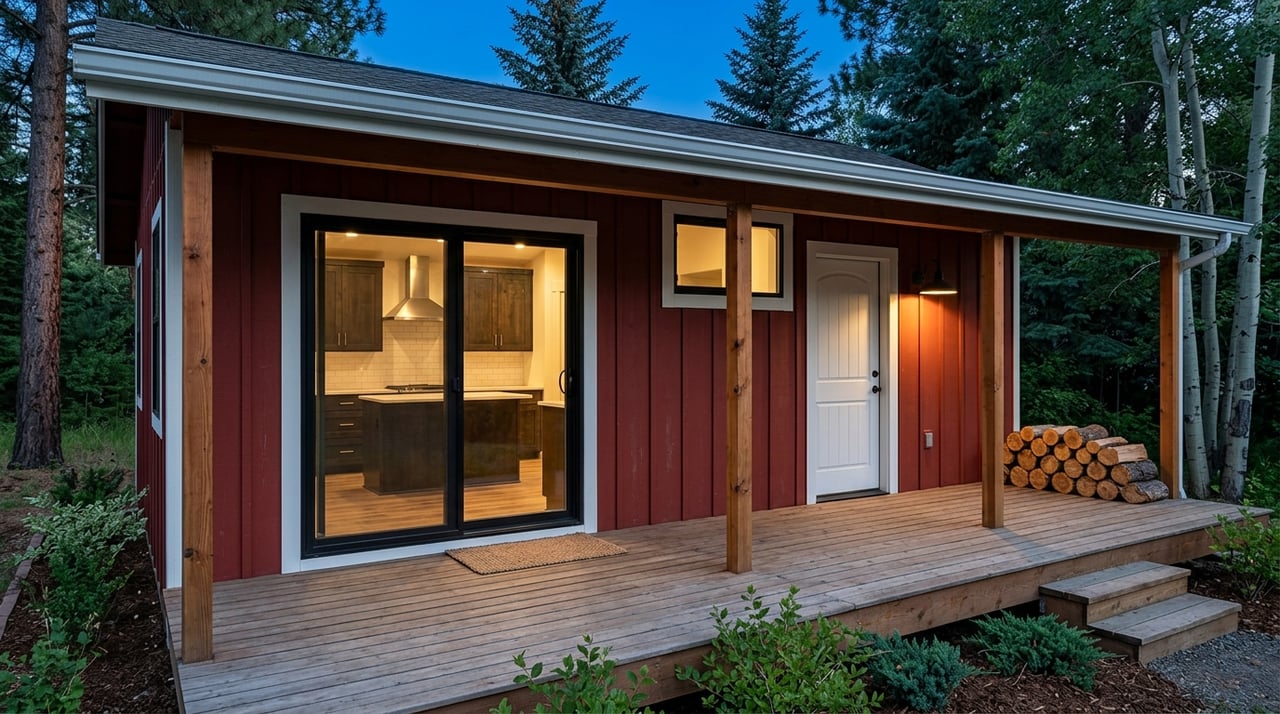
Thinking about listing your second home or cabin in Lake County? You are not just selling a structure. You are selling a place people imagine using for long weekends, lake days, quiet mornings, and seasonal getaways. That is why the right prep, pricing, and presentation matter so much in this market. Let’s dive in.
Why Lake County cabins need a tailored strategy
Lake County is a recreation-driven market, and buyers often weigh lifestyle access just as heavily as the home itself. Polson sits at the south end of Flathead Lake, and the area is known for lakes, rivers, mountain views, and year-round outdoor recreation. Flathead Lake is also described by Montana Fish, Wildlife & Parks as the largest natural freshwater lake in the western United States.
For you as a seller, that means generic marketing is not enough. A second home or cabin in Lake County needs a listing strategy that highlights how the property actually lives, both inside and outside. Buyers may care about lake access, storage for gear, waterfront improvements, or how easy the home feels to lock and leave between visits.
Countywide numbers also show why broad averages only go so far. Recent market snapshots showed a median sale price of $646,000 over a three-month period ending in April 2026, while Zillow estimated an average home value of $591,184 and 195 active listings around the same time. Homes were also taking a median 165 days to sell, which points to a market where pricing and presentation need to be specific to your property, not based on a general “lake lifestyle” pitch.
Price your cabin with local context
In a market like Lake County, pricing a second home or cabin takes more than checking a countywide median. Waterfront location, seasonal access, condition, views, permit history, and utility setup can all affect value. A rustic cabin near recreation may attract a different buyer than a polished second home with updated systems and easy year-round use.
This is especially important when the market moves more slowly. When buyers have time to compare options, they notice details. Overpricing can cause your listing to sit, while a smart price backed by current local comparables can help you generate stronger interest early.
Start with a pre-listing property review
Before your home goes live, it helps to review it the way a careful buyer will. Second homes and cabins often have issues that do not show up in a quick walk-through, especially after winter or long periods of limited use. A pre-listing review gives you a chance to address concerns before they affect negotiations.
Montana law requires sellers of residential real property to provide a disclosure statement covering known adverse material facts before or at contract execution. That includes issues related to title, water service or water source, wastewater treatment, utilities, structural problems, water intrusion, unpermitted additions, hazardous materials, pests, drainage concerns, and other material facts. The disclosure is not a warranty, but it does make preparation critical.
For a Lake County cabin or second home, pay special attention to:
- Winter damage
- Roof and water intrusion history
- Drainage and settling issues
- Well performance or water service details
- Septic or on-site wastewater system condition
- Utility reliability
- Permit history for additions or exterior improvements
- Pest issues or deferred maintenance
If you have service records, invoices, or permit paperwork, gather them early. A clean file can make the transaction smoother, especially if you do not live in the county full time.
Know the Lake County permit issues
Lake County has a few local requirements that can directly affect your listing timeline. If your property is served by an on-site wastewater system, the county says a Transfer of Title use permit is needed before sale or transfer of title. That is not something you want to discover at the last minute.
If your property is on or near the water, documentation matters too. Lake County’s lakeshore regulations were current as of February 1, 2026, and the planning department handles lakeshore construction and floodplain permitting. If you have a dock, retaining wall, shoreline work, or other waterfront improvements, it is smart to confirm what was done and what records you have before your home hits the market.
Lake County also supports online permitting through Cloudpermit, and the planning department handles zoning, building notification permitting, lakeshore construction permitting, floodplain development, and property research. For second-home owners, especially those managing a sale from out of town, having a local point person and an organized permit file can save time and stress.
Check lead paint rules for older cabins
Older cabins often come with charm, but they may also come with extra disclosure steps. If your home was built before 1978, federal lead-based paint rules apply. Sellers must provide the EPA pamphlet, disclose known lead information, share available records and reports, include a lead warning statement, and keep signed acknowledgments.
This is especially relevant for long-held family cabins and older lake properties. If your cabin falls into this category, it is best to prepare those materials before listing so you can keep the process moving once an offer comes in.
Verify vacation rental status carefully
If your cabin has been used as a vacation rental, buyers may ask whether they can continue that use. In Lake County, that question needs a factual answer, not an assumption. The county has 16 zoning districts, and some districts do not allow vacation rentals.
That means prior use does not automatically guarantee future use. Before your property is marketed as rental-capable, it is important to verify the current zoning, planning rules, and licensing path. Lake County also notes that vacation rentals are licensed by the state and reviewed for water, wastewater, and fire safety.
If you want to mention rental history in your listing or during a sale, keep it practical and documented. Useful records may include:
- Licensing status
- Inspection history
- Occupancy pattern
- Maintenance records
- Water and wastewater compliance information
That kind of information helps buyers understand how the property has operated. It is much more useful than making assumptions about future income.
Decide what stays with the cabin
Furnishings can be a major issue when listing a second home. Many cabins are sold with a mix of furniture, kitchen items, outdoor equipment, or seasonal gear. If you wait too long to sort that out, showings and negotiations can get messy.
Start by deciding what will stay, what will go, and what should be stored before photos. Then make conveyances clear. Buyers shopping for a getaway property often want simplicity, and a clean, well-defined furnishings plan helps them understand what they are buying.
Stage for lifestyle, not clutter
Staging matters, especially in a destination market where many buyers may be shopping from a distance. According to the National Association of Realtors’ 2025 Profile of Home Staging, 83% of buyers’ agents said staging made it easier for buyers to visualize a home. The same report found that 49% of sellers’ agents said staging reduced time on market, and 29% said it increased dollar value offered by 1% to 10%.
That does not mean you need a full remodel. Staging is more about decluttering and styling than renovating. For a Lake County cabin or second home, the goal is to help buyers picture relaxed, easy use of the property.
Focus on these basics:
- Remove excess gear and bulky furniture
- Pack away personal photos and highly specific decor
- Simplify the living room, primary bedroom, dining area, and kitchen
- Clean up the entry sequence
- Make outdoor spaces look usable and easy to maintain
- Clarify whether the home is being sold furnished or unfurnished
The best cabin staging still feels authentic. You are not trying to erase character. You are making it easier for buyers to imagine themselves there.
Use strong media for out-of-area buyers
Many second-home buyers are not local, so your online presentation carries extra weight. Photos, video, and virtual tours can help buyers understand layout, setting, and condition before they ever step foot on the property. Buyers’ agents also rate these listing assets highly.
For Lake County properties, exterior images are especially important. Outdoor photos, views, lake access shots, and a clear arrival experience can all help tell the story. If virtual staging is used, any material photo changes should be disclosed.
Prepare for buyer questions about access and use
Lifestyle buyers often ask practical questions that go beyond bedrooms and baths. They want to know how the property works during different seasons, what recreation is nearby, and whether ownership comes with any rules they may not expect. The more clearly you can answer those questions, the better.
For example, Flathead Lake access can come with rules that out-of-state buyers may not know. Montana Fish, Wildlife & Parks notes that recreation on tribal land outside the state park requires a tribal recreation permit, and fishing on the southern half of Flathead Lake requires a tribal fishing license. That does not change the appeal of the area, but it is useful context for buyers evaluating how they will use the property.
Address risk factors before listing
Cabin buyers tend to pay close attention to maintenance and long-term ownership risk. Countywide climate information also supports a careful review before listing. Redfin’s climate section flags Lake County as having moderate flood risk and major wildfire risk.
That makes pre-listing maintenance even more important. If needed, review drainage, inspect for roof or water-intrusion issues, and tidy up defensible space around the home before photography and showings. Even small improvements can help your property feel more cared for and easier to own.
Why the right representation matters
Selling a second home or cabin in Lake County is often more detailed than selling a standard primary residence. You may be coordinating from out of town, sorting through permits, deciding what stays, verifying rental history, and presenting a property that needs to appeal emotionally and practically at the same time.
That is where a high-touch, property-specific approach can make a real difference. With the right strategy, your listing can speak to both the lifestyle buyers want and the due diligence they need.
If you are thinking about selling your Lake County cabin or second home, Ashley Inglis can help you build a tailored plan for pricing, preparation, and marketing.
FAQs
What disclosures matter when listing a second home in Lake County?
- Montana sellers must disclose known adverse material facts, including issues related to title, water source, wastewater treatment, utilities, structural problems, water intrusion, unpermitted additions, hazardous materials, pests, drainage, and other material facts.
Does a Lake County cabin need a septic transfer permit before sale?
- If the property is served by an on-site wastewater system, Lake County says a Transfer of Title use permit is required before sale or transfer of title.
Can a buyer use a Lake County cabin as a vacation rental?
- Maybe, but it must be verified through current zoning, planning, and licensing requirements because Lake County says some zoning districts do not allow vacation rentals.
What should stay in a furnished cabin listing in Lake County?
- You should decide early what stays, what goes, and what gets stored, then clearly document conveyances so buyers understand exactly what is included.
Do waterfront improvements matter when listing a Lake County property?
- Yes. If the property has shoreline work, a dock, retaining walls, or other waterfront improvements, it is wise to gather permits and documentation before listing.
How important is staging for a second home or cabin sale?
- Staging can help buyers visualize the home more easily, reduce clutter, and support a stronger first impression, especially for out-of-area buyers viewing the property online.